Wine X Staff
Wine X Online Edition
In the second installment of Wine X’s 2026 harvest check-ins, we head uphill to Spring Mountain District, where an early start didn’t mean an early exit.
At Titus Vineyards, the word for the 2026 harvest was “sprint.” Up on Spring Mountain, somebody apparently forgot to tell the grapes.
There were early starts. Record-early starts, in a few cases. There were smaller crops, bursts of heat and moments when everything seemed ready to happen at once. Then certain vineyard blocks needed more time, and the people making the wine had to do something that sounds considerably easier from a tasting-room chair.
Wait.
The encouraging part is what they were waiting for: flavor, ripeness and tannins developing into the texture they wanted. Across the district, growers are reporting concentrated fruit, expressive character and, in several cases, the balance that makes a wine interesting well beyond its first impressive sip.
There won’t be as much of it. What did come in has given the mountain plenty to talk about.
Early is a starting time, not a personality
Keenan Winery began picking Chardonnay on August 13, its earliest start in memory and two weeks ahead of its previous record. Smith-Madrone brought in its first Riesling on August 17, also describing the timing as the earliest in living memory.
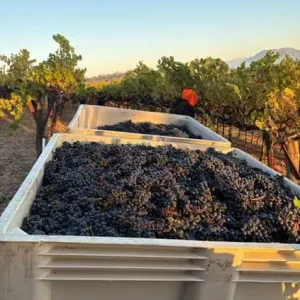 Elsewhere, the calendar looked quite different. Paloma didn’t begin until September 28 and finished with Cabernet Sauvignon and Merlot on October 10. Aadland-Moody’s season ran from Sauvignon Blanc on August 6 to Cabernet Sauvignon on October 19.
So much for putting “Napa harvest” on the calendar as a single event.
Spring Mountain’s vineyards occupy steep terrain across elevations ranging from roughly 200 to 2,250 feet. Exposures and microclimates vary. A block ready to pick doesn’t necessarily tell you much about the next one.
That individuality became central to 2026.
Spring Mountain Vineyard described a season of “fits and starts.” Flying Lady winemaker Leigh Meyering reported substantial variation in ripening across vineyards. At Vineyard 7 & 8, a prolonged flowering period helped stretch the red-grape picking season into four to six weeks as the team waited for individual blocks and even smaller sections to reach the right stage.
“Patience was incredibly important,” winemaker Wesley Steffens reported in the district’s harvest release.
Short heat bursts followed by cooler periods gave the winery opportunities to leave fruit hanging until ripeness and tannin development caught up with its expectations.
For anyone planning to drink these wines, that is a detail worth paying attention to. The calendar was moving. The team kept making decisions about the grapes.
Less fruit. Plenty of possibility.
Almost everyone had something to say about yields. Usually something brief, followed by a deep breath.
Vineyard 7 & 8 reported historically low yields. Smith-Madrone said harvest “started light, stayed very light through all varieties.” Fe Wines came in approximately 20 percent below its average. Spring Mountain Vineyard also reported a notably lighter crop.
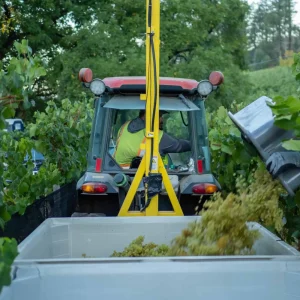 The causes varied by property. Spring weather disrupted fruit set at some sites. Ritchie Creek’s David Gibbs described heat, strong winds and rain contributing to shatter, when flowers fail to develop into berries. Elsewhere, smaller clusters helped explain the lighter bins.
A small harvest is no automatic quality guarantee. The interesting part is what growers found in the fruit they actually picked.
At Fe Wines, general manager and winemaker Joseph Filippini reported a higher skin-to-juice ratio, intense flavor concentration and deep color. At Vineyard 7 & 8, Steffens described fruit with “incredible depth and concentration.”
The winery’s three-word assessment: “Small. Mighty. Patient.”
That could probably go on the harvest crew’s T-shirts.
For red wine, the relationship between skins and juice matters because skins contribute color, tannin and flavor during fermentation. Fe’s observations suggest plenty of material for the cellar team to work with. The opportunity is to turn that concentration into a wine with depth, texture and proportion.
Think about the difference between a wine that gets your attention and one that keeps it through dinner. The second takes more than sheer volume.
The detail we especially like: balance
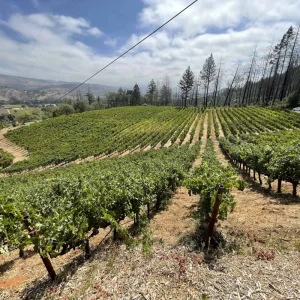 At Frias, the early season initially suggested a fast finish. Instead, the fruit took longer than anticipated, allowing more gradual ripening. The winery reported even development, good balance and maturity at lower sugars.
That last observation is especially encouraging. Sugar is one part of ripeness. Flavor and texture have their own schedules. Fruit reaching the maturity a winemaker wants without needing sugar to climb further offers an appealing starting point for balanced wine.
It doesn’t establish a finished alcohol level or write the tasting note for us. It does give us a reason to be interested.
Paloma, meanwhile, reported fruity flavors and somewhat higher acidity than usual. Depending on how the wines develop, that freshness could provide an attractive counterpoint to the vintage’s concentration.
Cain described exceptional quality and the promise of expressive, complex wines. Aadland-Moody owner Justin Moody offered perhaps the most straightforward assessment: “amazing fruit, just not as much of it.”
Taken together, these reports suggest a vintage with more to offer than density alone. There are promising signs of freshness, texture and differences between sites, the things that make comparing bottles from the same region worthwhile.
A comeback worth opening something old for
One of the mountain’s best stories belongs to Ritchie Creek.
The 2026 harvest marks the first vintage in 19 years for a branded Ritchie Creek Vineyard wine. The picking began August 14 with a quarter-ton of dry-farmed, old-vine Blaufränkisch and ended September 2 with Cabernet Sauvignon.
Gibbs sees the potential for a structured wine recalling the bottles former winemaker Pete Minor made in the 1970s and 1980s.
That is an ambition with some history behind it. And Gibbs had an appropriate way to mark the occasion: he opened a bottle of 1974 Ritchie Creek, the vineyard’s first vintage, and paired it with fried chicken from Charlie’s.
A bottle with more than half a century behind it. Fried chicken. A new chapter underway.
We approve of the priorities.
The people behind the pretty bottles
Elsewhere on the mountain, the celebrations were equally reassuring.
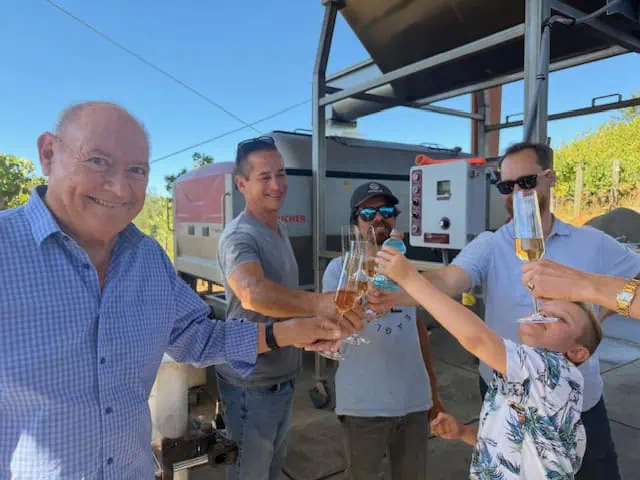
Flying Lady toasted its first bin of Pinot Blanc with sparkling Pinot Blanc from an earlier vintage. Pride Mountain continued its tradition of opening Champagne and pouring a little over the first bin. Vineyard 7 & 8 brought the team and families together for a Champagne toast at the start of Chardonnay harvest.
Keenan finished with its traditional steak lunch.
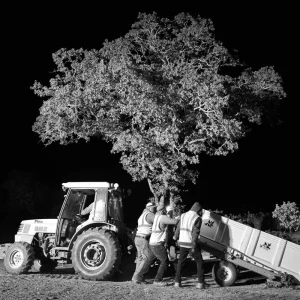 At Fe Wines, picking crews got breakfast tacos from Ray Ray’s, with In-N-Out Double-Doubles later in the season.
Wine may eventually arrive at your table with a discussion of elevation and tannin structure. Getting it there still involves people who would very much appreciate a breakfast taco.
Their decisions are the most compelling part of this harvest report. Waiting on a particular block. Returning to assess another. Giving the fruit time when time was what it needed.
The finished wines will tell the full story. For now, Spring Mountain’s 2026 offers an appealing set of possibilities: concentrated reds, encouraging freshness at some estates, and enough variation across the mountain to make exploring the vintage interesting.
Vineyard 7 & 8 called it “Small. Mighty. Patient.”
We can manage patient. Especially if there’s fried chicken.